AiR Graffiti Whiteboard
Under construction: For now you can write over whatever is there or erase the board and start over fresh. There’s no present way to save your work except by taking a screenshot. This is a mostly unmonitored, collectively monitored graffiti board, so please be kind. Sparking Ai & Robotics learning is the goal but there is no compulsory theme, rhyme, nor reason. Feel free to color way outside the lines.
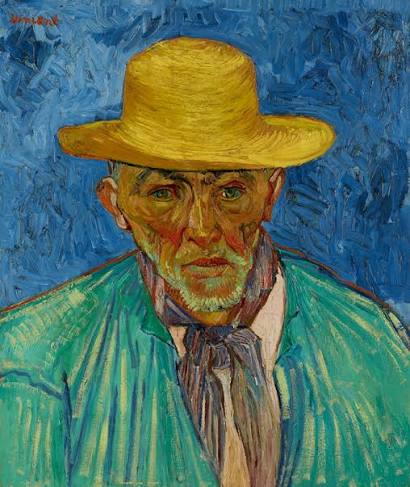
The Art of Everyday People: Aaron Copland, Jimmy Webb, Laura Nyro, Joni Mitchell, Carole King, Bob Dylan, and Vincent Van Gogh
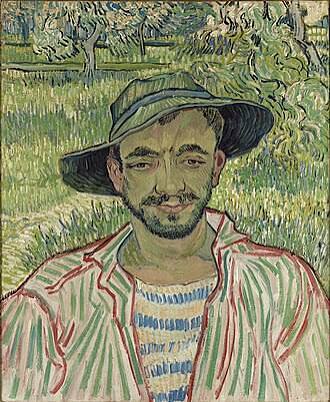
Across music and painting, different artists have returned to one powerful idea: that the lives of ordinary working people contain a quiet heroism worth honoring. Aaron Copland’s Fanfare for the Common Man (1942), Jimmy Webb’s Wichita Lineman (1968), and Vincent van Gogh’s portraits of laborers from the 1880s all spring from different eras and artistic traditions, yet they share a profound respect for the dignity of everyday work.
Copland wrote Fanfare for the Common Man during World War II, inspired by a call to recognize the sacrifices and democratic spirit of ordinary citizens. His bold brass and steady percussion present the “common man” as a collective figure—strong, resolute, and essential. The piece feels like a musical monument, elevating the contributions of people whose labor and courage sustain a nation.

Jimmy Webb’s Wichita Lineman offers a more intimate portrait. Inspired by seeing a lone utility worker perched on a telephone pole in rural Oklahoma, Webb transformed that moment into a song about duty, isolation, and emotional endurance. Rather than celebrating a symbolic figure, Webb focuses on one individual whose job is both unglamorous and indispensable. The music captures the quiet resilience of someone “still on the line,” keeping modern life connected.

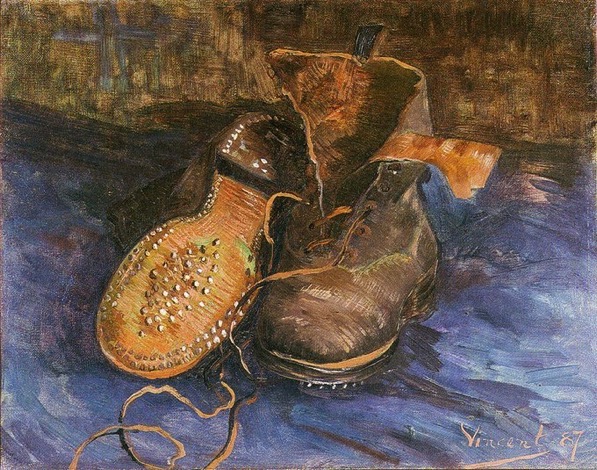
Decades earlier, Vincent van Gogh brought similar empathy to his paintings and drawings of peasants, miners, and field laborers. Influenced by artists like Jean-François Millet and shaped by his own time living among working families, Van Gogh portrayed people who toiled in the fields and workshops with an earthy honesty. In works like The Potato Eaters, he treated their daily routines with a seriousness usually reserved for historical or religious subjects, revealing the spiritual weight of ordinary lives.
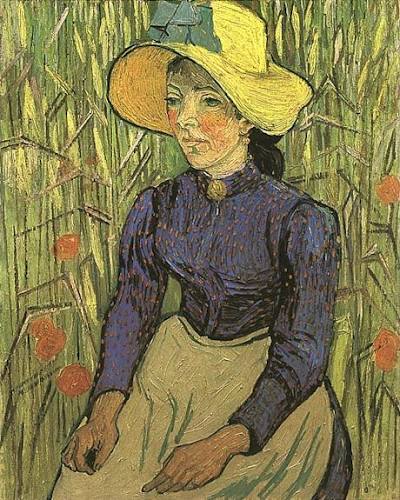
Though separated by time, place, and artistic medium, Copland, Webb, and Van Gogh converge on a shared humanistic vision. Each reveals that behind the uniform, the telephone pole, or the worn hands of a laborer, there is intrinsic worth and universal emotion. Their work reminds us that the foundation of society is built not by the celebrated few, but by the millions whose efforts often go unnoticed. In honoring them, these artists show that the common worker is anything but common.